For manufacturers, exporters, and industrial suppliers, Facebook Lead Ads can create enquiries faster than a cold buyer journey through search. The frustrating part comes next: plenty of form fills, messages, or WhatsApp conversations - but very few people who can actually buy.
This does not automatically mean that Meta Ads are a bad channel for B2B lead generation. It normally means the campaign is optimising for the easiest response instead of the most useful commercial conversation. A qualified enquiry needs the right audience, a clear offer, enough project context, and a sales team that can respond while the buyer is still engaged.
The B2B lead-quality test
A form fill is an event. A qualified buyer is a business outcome.
- Lead count looks healthy, but sales rejects most contacts.The campaign may be attracting curiosity without explaining who the offer is for.
- People ask for a catalogue, then disappear.The first message may not give the buyer a useful reason to continue or a clear next step.
- Enquiries arrive, but nobody owns the follow-up.Even a strong B2B lead loses value when the handoff and response time are unclear.
Why Facebook Lead Ads Can Attract the Wrong B2B Enquiries
Facebook and Instagram are discovery channels. Buyers may see an industrial product, factory capability, or export offer before they are actively comparing suppliers. That makes paid social useful for demand generation, but it also means a campaign can attract researchers, job seekers, resellers without a real project, or contacts outside the markets you serve.
The common mistake is treating every completed form as equal. For a high-consideration B2B product, a campaign should help a prospect self-select before the sales team spends time on the enquiry. The ad, the lead form or landing page, and the first follow-up should all answer the same basic questions: what is being offered, who is it for, and what information is needed to move forward?
1. Make the Offer Specific Enough to Filter Before the Form
“Contact us for more information” is easy to understand, but it gives a buyer no reason to identify their real need. A stronger B2B Facebook Ads offer names the product category or capability and frames a practical next step.
- For equipment suppliers: invite a buyer to request a specification sheet, capacity recommendation, configuration discussion, or project quotation.
- For OEM and factory services: explain the production capability, material range, minimum order context, or market served before asking for contact details.
- For export teams using WhatsApp: state which product category and buyer markets the conversation supports, then ask for the minimum project information needed to reply usefully.
This does not mean adding every technical detail to an ad. It means giving enough context that a serious prospect recognises the offer, while an irrelevant audience has less reason to submit a vague request.
2. Ask Questions That Help Sales Qualify the Opportunity
Keep the first conversion easy, but do not make it empty. A B2B lead form or focused landing page should collect only information that changes the next sales action. In most campaigns, that means a short combination of:
- Product or solution interest. Let the buyer identify the relevant product family or service rather than submitting an unstructured “please contact me.”
- Market or destination. This confirms whether your team can support the region, shipping route, or local requirements.
- Quantity, capacity, or project stage. A rough range is usually more useful than a long open-ended question.
- Business contact channel. Confirm email, phone, or WhatsApp so the buyer can choose a practical response route.
The goal is not to make the form difficult. It is to make the sales handoff more intelligent. If a question does not change the follow-up, remove it. If sales always has to ask the same question before sharing useful information, consider adding it.
3. Decide Whether the Best Next Step Is a Form, Landing Page, or WhatsApp
There is no universal winner. A lead form can create a clean intake process; a landing page can build confidence for a complex product; WhatsApp can reduce friction for conversation-led export sales. The right choice is the one your team can measure and follow up consistently.
4. Treat Follow-Up Speed as Part of the Campaign
Paid media does not end at the click. If an enquiry is delivered to a shared inbox without an owner, the best audience and creative work can be wasted. Agree a simple lead-response process before increasing budget:
- Assign one person or team to review incoming enquiries.
- Set a response expectation for business hours and a clear fallback for busy periods.
- Use a short first-response template that references the product or project information the buyer supplied.
- Record whether the lead was reachable, relevant, quoted, and commercially qualified.
These status signals are more valuable than a platform lead total when deciding which audiences, markets, and creative angles deserve more spend.
Anonymous B2B Campaign Snapshot: Improving the Lead Path
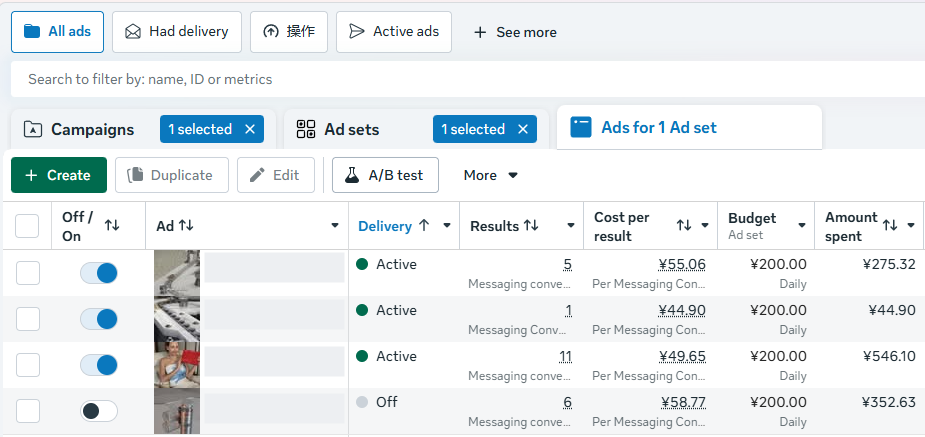
Context: an export-focused B2B campaign used paid social to begin WhatsApp conversations with buyers in South America and the Middle East.
- The reported campaign snapshot showed a cost per conversation of about US
- The sales team reported that roughly 80% of the conversations met its internal qualification standard.
- The campaign produced multiple orders after follow-up.
This is an anonymized historical campaign snapshot, not a forecast. Results vary with the product, market, creative, targeting, sales response, attribution method, and campaign period.
The useful lesson is not the cost figure by itself. The campaign had a specific conversation destination and a sales process capable of judging quality. That made it possible to optimise for commercial relevance rather than only the cheapest action.
A Weekly Checklist for Better-Quality Facebook Leads
- Review the ad promise. Does it name the product, buyer problem, or use case clearly enough for the right audience to recognise itself?
- Compare lead source with sales feedback. Which campaign, market, or creative angle produces enquiries that are reachable and relevant?
- Check the first-response path. Can a buyer quickly receive the next useful item: catalogue, specification, quotation process, or meeting invitation?
- Inspect the website handoff. If prospects reach a product or landing page, make sure the information, contact route, and mobile experience support the campaign promise.
- Scale only after quality is visible. More budget should follow a repeatable qualification process, not precede it.
Use Meta Ads as Part of the Full B2B Conversion Path
Facebook Lead Ads for B2B work best when they connect paid media, a credible destination, and real sales feedback. For a broader look at campaign objectives, ecommerce conversion paths, and Meta Ads reporting, read Meta Ads Are Getting Clicks, But Where Are the Leads?. If your campaign needs stronger product pages or a dedicated landing experience, explore our website development services.
Oceasail supports Meta Ads, Google Ads, paid social, landing pages, conversion tracking, and ongoing optimisation for B2B and B2C brands. Explore paid media support or contact us to discuss your lead path.